Event Lifestyle Destinations USA: The Definitive Guide to Venues
The intersection of regional topography, curated cultural immersion, hospitality asset management, and high-yield corporate convening has redefined where and how major professional gatherings occur. When enterprise organizations, brand marketing syndicates, and association boards select operational backdrops for multi-day programs, traditional enclosed convention halls in dense metropolitan cores face rigorous scrutiny. The modern mandate favors environments that seamlessly blend localized character, architectural integrity, wellness integration, and advanced technical infrastructure.
Mastering this specialized commercial landscape requires dissecting how distinct geographic and cultural locales function under the logistical strain of large-scale group deployment. True operational success relies on evaluating spatial yields, local labor ecosystems, transportation radii, and the delicate balance between professional productivity and immersive environmental design. This analysis serves as an exhaustive reference manual for identifying, vetting, and managing premier locales, establishing the structural baseline required to navigate event lifestyle destinations USA across complex corporate and association sectors.
Understanding “event lifestyle destinations USA”
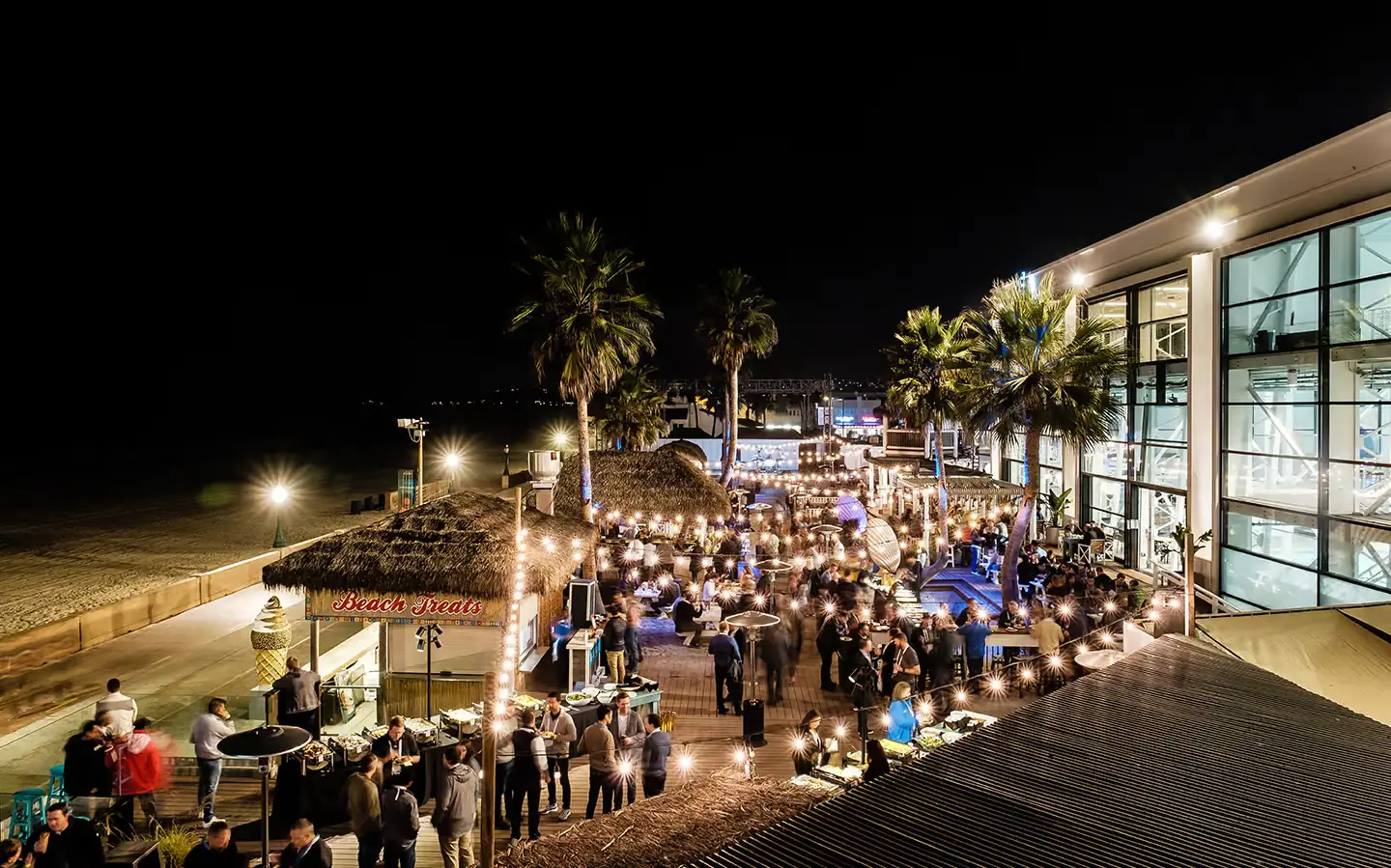
Analyzing the core criteria that define event lifestyle destinations USA requires separating standard commercial business parks and generic suburban hotels from highly integrated regional locales engineered around a cohesive cultural, architectural, or natural identity. The domestic market spans distinct geographic corridors—ranging from the wine-centric agrarian estates of Northern California and the high-desert modernist enclaves of the Southwest to coastal New England maritime hubs and mountain wellness sanctuaries in the Intermountain West. These regions appeal to organizers seeking to move beyond sterile meeting environments, prioritizing instead the psychological and social benefits of immersive place-making.
A common miscalculation in corporate event strategy is assuming that picturesque scenery and lifestyle branding automatically translate into robust convention execution. In practice, selecting a remote or hyper-stylized regional market without auditing regional airlift capacity, local supplier redundancy, union labor availability, and secondary road networks exposes organizers to severe operational friction. Utilizing insights surrounding event lifestyle destinations in the USA demands an analytical focus on gross-to-net functional floor capacity, local zoning laws, municipal noise ordinances, and total cost of occupancy calculations. Reviewing these regional portfolios through a structural lens demonstrates that balancing aesthetic distinctiveness with rigorous operational readiness yields far greater long-term engagement than relying on scenic marketing collateral alone. The physical reality of executing gatherings within lifestyle markets involves managing strict environmental preservation mandates, finite local accommodation caps, and complex multi-vendor transport logistics.
Deep Contextual Background: The Evolution of Lifestyle Environments in American Hospitality
The lineage of lifestyle-driven event markets in the United States traces its origins to nineteenth-century mineral springs resorts, coastal Gilded Age summer colonies, and early railway-sponsored mountain lodges. These early properties established the precedent of combining temporary assembly with therapeutic leisure, holistic wellness, and exclusive social networking. As commercial aviation expanded following the Second World War, regional enclaves transformed from seasonal leisure escapes into year-round magnets for corporate board retreats, executive incentive trips, and high-end brand activations.
Shifts in workforce demographics and decentralized office models accelerate demand for lifestyle environments. Planners and asset managers integrate advanced broadband infrastructure, modular architectural pavilions, and localized culinary programs into diverse settings. This evolution transforms destination selection into a comprehensive logistical audit. Planners must measure regional carrying capacities, environmental impact controls, and digital connectivity resilience.
Conceptual Frameworks and Mental Models
To evaluate the operational suitability and spatial capacity of any regional lifestyle event market, industry professionals rely on several core mental models:
-
The Regional Carrying Capacity and Friction Index: This framework measures the maximum volume of event attendees a local infrastructure can absorb without straining local transport, municipal services, or hospitality labor pools.
-
The Environmental Stress and Weather Contingency Matrix: This mental model evaluates micro-climatic vulnerabilities—such as wildfire smoke seasons, coastal tidal surges, or mountain winter storms—against outdoor staging plans and temporary infrastructure builds.
-
The Cultural Authenticity and Commercial Integration Model: This analytical framework assesses whether a host region provides genuine local immersion or relies on superficial themed environments that risk alienating sophisticated professional delegates.
Key Categories or Variations
| Destination Category | Primary Architectural Focus | Core Operational Vulnerability | Typical Event Suitability | Corrective Strategic Approach |
| Agrarian Wine and Culinary Estates | Open-Air Vineyards, Historic Barns, & Farm-to-Table Dining | Strict Noise Ordinances & Limited Late-Night Transit | Executive Dinners, Brand Launches, & Board Retreats | Partnering with local municipalities for sound waivers |
| High-Desert Modernist Enclaves | Minimalist Architecture, Indoor-Outdoor Flow, & Solar Integration | Extreme Ambient Temperature Fluctuations & Water Scarcity | Tech Summits, Design Forums, & VIP Salons | Deploying climate-controlled modular staging structures |
| Coastal Maritime and Island Hubs | Historic Waterfronts, Nautical Character, & Harbor Access | Vulnerability to Severe Weather & Limited Bridge/Air Access | Incentive Trips, Maritime Symposia, & Gala Events | Establishing redundant ferry and helicopter charters |
| Mountain Alpine Wellness Sanctuaries | Timber-and-Stone Lodges, Biophilic Design, & Elevation Challenges | Altitude Sickness Risks & Seasonal Shoulder-Month Closures | Leadership Workshops, Strategy Off-Sites, & Rejuvenation | Pre-stocking medical oxygen and scheduling gradual acclimatization |
| Historic Plantation and Southern Estates | Verandas, Live Oaks, Southern Hospitality, & Grand Lawns | Humidity Extremes & Humid-Climate Pest Management | Association Galas, Cultural Festivals, & Weddings | Utilizing climate-controlled structural tenting with dehumidification |
| Desert Oasis and Golf Resort Valleys | Expansive Lawns, Championship Courses, & Resort Clusters | High Summer Heat Barriers & Fragmented Off-Site Venues | Large Corporate Incentives & Multi-Track Conferences | Consolidating activities within single air-conditioned resort rings |
When analyzing these structural variations, sound decision logic dictates that failing to account for regional weather volatility and local transportation bottlenecks represents the most operationally destructive error a meeting planner can commit in lifestyle markets.
Detailed Real-World Scenarios and Decision Logic
Orchestrating an Executive Strategy Retreat in a Northern California Wine Valley
When a multinational technology conglomerate organizes an exclusive off-site summit for forty senior executives in a prominent wine-country estate, the planning team evaluates multiple rural properties. The decision logic requires balancing absolute privacy, high-end culinary execution, and secure high-speed network connectivity within historic agricultural buildings. If the planning team selected a remote vineyard without verifying backup satellite internet infrastructure or municipal sound curfews, key evening presentations would suffer from digital blackouts and mandatory early shutdowns due to local noise ordinances.
Managing a Large Incentive Program in a High-Desert Modernist Resort
Corporate events departments coordinating reward incentive programs in desert oasis resorts face unique operational challenges. These programs rely heavily on outdoor evening galas, poolside networking receptions, and off-site desert excursions. Operational protocols mandate rigorous temperature-management contingency plans and large-scale luxury coach logistics. The resulting structure ensures high attendee satisfaction and memorable brand association. However, success requires exhaustive coordination with municipal transport authorities. Planners must prevent highway congestion during peak arrival windows.
Planning, Cost, and Resource Dynamics
The financial architecture of evaluating and executing programs within event lifestyle destinations uin the USArequires a sophisticated understanding of direct versus indirect expenditures, opportunity costs, and variable regional overhead.
| Expense Category | Cost Structure Relative to Baseline | Primary Cost Driver | Financial Risk Exposure |
| Destination Transportation and Logistics | Variable Rates Tied to Remote Geographic Access | Private charter buses, localized fleet rentals, and airport transfers | High (Substantial budget impact for remote markets) |
| Unique Venue Rental and Buyout Fees | Premium Fixed Costs Reflecting Exclusivity and Demand | Complete property buyouts and seasonal resort exclusivity | High (Incurred to secure privacy and brand control) |
| Custom Localized Catering and F&B | Premium Tariffs Tied to Artisanal and Regional Sourcing | Farm-to-table supply chains and boutique winery partnerships | Moderate (Essential for delivering authentic lifestyle value) |
| Temporary Infrastructure and Weather Tenting | Variable Costs Based on Outdoor Venue Requirements | Climate-controlled structures, auxiliary power generators, and flooring | Moderate (Unbudgeted weather remediation cost overruns) |
Failing to negotiate comprehensive force majeure clauses carries severe financial risks. Neglecting local supplier redundancy triggers inflated emergency expenditures and compromised program quality. Consequently, financial allocation models must heavily weight comprehensive risk assessments. Planners must prioritize total cost of occupancy calculations and expert regional Destination Management Company partnerships.
Tools, Strategies, and Support Systems
-
Specialized Destination Management Companies (DMCs): Local expert agencies providing ground transportation management, vendor vetting, and emergency regional support.
-
Regional Climate and Weather Tracking Analytics: Advanced meteorological software monitoring micro-climatic shifts, wildfire smoke patterns, and seasonal precipitation risks.
-
Enterprise Venue Sourcing and RFP Platforms: Digital software systems tracking spatial capacities, buyout rules, and vendor contracting terms across boutique properties.
-
Local Municipal Permitting and Ordinance Trackers: Legal compliance tools managing noise curfews, liquor licensing restrictions, and environmental protection permits.
-
Bandwidth Stress-Testing and Satellite Backup Protocols: IT deployment kits ensuring stable high-speed connectivity in remote rural or natural landscapes.
-
Master Billing and Folio Reconciliation Tools: Financial auditing software designed to scan multi-vendor regional invoices for service charge discrepancies and uncontracted fees.
Risk Landscape and Failure Modes
-
The Remote Infrastructure Collapse: Selecting an isolated pastoral or mountain location that lacks adequate electrical grid capacity, forcing heavy reliance on unstable auxiliary generators.
-
Severe Weather Disruption: Failing to establish robust indoor backup spaces or climate-controlled tenting when hosting high-stakes outdoor programs in volatile regional climates.
-
Labor and Supplier Scarcity: Operating in low-population lifestyle enclaves where specialized event staff, catering talent, and technical crew must be imported at exorbitant travel and lodging rates.
Governance, Maintenance, and Long-Term Adaptation
Operating or participating in event programs across regional lifestyle destinations requires strict adherence to corporate governance standards, continuous audit regimes, and proactive risk management.
-
Layered Maintenance Checklist:
-
Regional Infrastructure and Access Audit: Comprehensive inspection of local roads, airport handling capacities, and emergency egress routes conducted twelve months before event execution.
-
Contractual Service Level Verification: Legal audit of all regional venue and vendor agreements to ensure guaranteed backup power, shuttle commitments, and force majeure protections are explicitly documented.
-
Pre-Conference Environmental and Weather Review: Final assessment of local micro-climate forecasts, fire safety protocols, and municipal permit compliance thirty days pbeforearrival.
-
Post-Event Regional Debrief: Mandatory evaluation meeting conducted with local DMC partners and venue directors within fourteen days of event conclusion to document logistical performance metrics.
-
-
Environmental Adaptation Triggers: Evolving climate conditions, municipal resource conservation mandates, and changing environmental regulations require pre-established operational adjustments within event planning frameworks.
Host regions experiencing severe drought conditions or municipal water restrictions require specialized operational adaptations. Organizing teams must partner directly with property stewards to implement strict water-saving protocols and modify landscaping décor. Furthermore, teams must deploy sustainable waste management systems effectively. Planners must execute these conservation measures without diminishing overall guest comfort.
Measurement, Tracking, and Evaluation
-
Destination Immersion Index (DII): A qualitative survey metric measuring attendee perception of local cultural authenticity and environmental integration.
-
Logistical Friction and Transit Efficiency Ratio (LFTER): Tracking average transfer times between airports, hotels, and off-site event venues to identify structural bottlenecks.
-
Environmental Footprint and Carbon Offset Verification (EFCOV): Quantifying total event resource consumption, waste diversion rates, and local sourcing percentages relative to baseline targets.
-
Participant Cognitive Restoration Score (PCRS): Survey-based evaluation assessing attendee mental rejuvenation, stress reduction, and overall engagement following intensive lifestyle programming.
Common Misconceptions and Oversimplifications
-
Lifestyle destination events require less structured planning because the natural surroundings create an effortless experience. Sprawling natural environments and unique regional venues demand vastly more complex logistical coordination than standardized convention centers.
-
Booking a full property buyout in a remote lifestyle market guarantees total operational privacy and control. Complete buyouts still require careful negotiation regarding back-of-house service pathways, third-party vendor access, and surrounding public land use rights.
-
Standard corporate event contracts and liability clauses are fully sufficient for rural or remote lifestyle venues. Remote properties often involve unique local ordinances, agricultural zoning constraints, and specialized weather risks that require custom legal protections.
-
Importing urban production vendors to remote lifestyle markets is always safer than hiring local talent. Transporting large crews across long distances inflates budgets and frequently fails due to unfamiliarity with regional terrain and local municipal regulations.
-
Outdoor events in scenic regional destinations are immune to technological infrastructure failures. Natural settings often lack robust cellular and hardwired data coverage, necessitating expensive mobile cell towers and satellite internet deployments.
-
Local food and beverage sourcing in agricultural or wine-centric regions automatically lowers overall catering costs. Artisanal farm-to-table sourcing and boutique winery partnerships frequently carry premium luxury pricing due to limited production scales.
-
Smaller executive gatherings hosted in lifestyle destinations do not require formal safety or emergency evacuation plans. Any gathering involving human assembly in high-risk natural zones—such as wildfire-prone forests or coastal floodplains—requires rigorous safety protocols.
-
Weather contingencies for outdoor lifestyle events can be safely managed on an ad-hoc basis. Waiting until inclement weather strikes to secure tents, heaters, or indoor fallback spaces results in catastrophic failure and exorbitant emergency premiums.
Ethical, Practical, and Contextual Considerations
Selecting regional lifestyle destinations introduces major administrative responsibilities. Planners must manage environmental stewardship, local community respect, cultural preservation, and equitable economic impact. Managing enterprise programs within fragile ecosystems or historic communities requires strict adherence to local carrying capacities. Organizers must minimize ecological disruption and ensure temporary installations leave no permanent environmental footprint. Furthermore, partnering with local indigenous artisans, family-owned businesses, and regional producers fosters mutually beneficial commercial exchanges. These partnerships honor the host culture genuinely. Maintaining transparent, ethical partnerships with destination stakeholders safeguards long-term viability. This discipline preserves treasured geographic assets for future generations of professional visitors.
Conclusion
Systematic evaluation and selection of regional lifestyle event markets demand sophisticated synthesis. Planners must combine environmental auditing, logistical workflow engineering, local stakeholder engagement, and cultural sensitivity. Achieving lasting organizational impact requires looking past promotional scenery and aesthetic branding. Organizers must evaluate regional carrying capacities, transportation resilience, technical infrastructure stability, and total cost of occupancy. Navigating this operational landscape successfully requires uncovering the underlying mechanics of regional supply chains, municipal governance, and environmental risk management.
Corporate expectations and industry standards continue to evolve rapidly. This shift causes the framework for sustainable, high-performance destination convening to mature. Disciplined planners and organizations gain a definitive path forward. This evolution unlocks profound professional engagement and drives long-term operational success.