How to Manage Catering Delay Issues: Logistics & Contingency Guide
Executing large-scale culinary programs for professional gatherings requires balancing perishable supply chains, labor coordination, and time-sensitive scheduling. During multi-day conventions or executive banquets, food and beverage delivery forms a major budget allocation. It also serves as a vital touchpoint for attendee satisfaction. Left unmanaged, culinary bottlenecks, supply chain breakdowns, and kitchen failures can destabilize event flow. They can also damage institutional credibility and introduce severe legal liabilities.
Achieving long-term operational resilience demands looking far beyond surface-level menu selections or introductory catering proposals. Mastering commercial kitchen logistics requires establishing robust service-level agreements, building redundant staging protocols, and deploying sophisticated contingency riders. These measures mitigate financial and operational exposure when service breakdowns occur. This document serves as a technical manual for analyzing, preventing, and resolving culinary disruptions. It provides the framework necessary to manage catering delay issues across global commercial hospitality environments.
Understanding “how to manage catering delay issues”
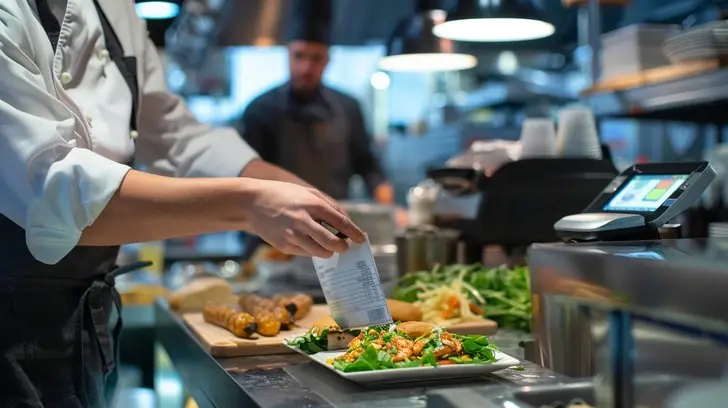
Analyzing the parameters of any professional strategy involving how to manage catering delay issues requires separating retail restaurant dining management from enterprise-scale commercial banquet production. The culinary hospitality market is bifurcated into two distinct operational models. The first model comprises decentralized retail and quick-service operations, which rely on asynchronous, demand-driven order fulfillment and flexible preparation timelines. The second model comprises high-volume institutional banqueting and off-premise catering, where thousands of plates must be executed, plated, and served simultaneously within a rigidly compressed temporal window.
Event planning literature often assumes that a catering delay is merely an isolated kitchen mishap caused by an unorganized chef. In practice, service bottlenecks stem from systemic supply chain failures. These include delayed ingredient deliveries, inadequate off-site staging, elevator bottlenecks in multi-story venues, or severe understaffing of banquet servers. Managing catering delays demands an acute awareness of total operational throughput and supply chain interdependency.
Reviewing these disruptions through a multi-dimensional lens reveals that establishing real-time communication bridges yields far greater damage control than simply offering rushed apologies to attendees. Planners must link front-of-house stage managers directly with back-of-house culinary brigades. The physical reality of managing commercial catering operations involves navigating strict health code regulations, labor union rules, and complex venue loading-dock constraints.
Deep Contextual Background: The Evolution of Commercial Catering and Logistics Management
Commercial catering logistics traces its roots to grand hotel banqueting traditions, royal court kitchens, and early railway hospitality networks. As urban centers expanded and corporate conventions grew after the Industrial Revolution, banquet operations transitioned from artisanal cooking into synchronized, industrial-scale food production. Early commercial arrangements relied on physical ledgers and manual kitchen coordination. This created administrative friction and exposed venues and organizers to severe service failures during major gatherings.
The architecture of commercial catering transformed as blast-chilling technologies, temperature-controlled transport fleets, and automated inventory networks matured into the digital era. Properties and off-premise caterers introduced standardized production kitchens, vacuum-seal packaging, and precise monitoring systems. These tools allowed culinary directors to prep meals days in advance and regenerate them on-site with high consistency.
This technological evolution turned catering operations into high-performance logistical enterprises, shifting power toward time-motion analysis and preemptive risk engineering. Concurrently, the rise of specialized hospitality consultants forced the industry to develop advanced contract negotiation tactics. This shifted delay mitigation into an analytical discipline focused on liability transfer, staging redundancy, and real-time operational pivoting.
Conceptual Frameworks and Mental Models
To evaluate the operational stability, logistical preparedness, and mitigation capacity of any culinary service program, industry professionals rely on several core mental models:
-
The Critical Path Culinary Timeline Model: This model maps out every minute of food preparation, transit, staging, plating, and service, identifying single points of failure where a delay in one step cascades across the entire schedule.
-
The Thermal Decay and Food Safety Matrix: This framework models the rate at which perishable prepared foods lose quality or breach health code temperature danger zones during transit or unexpected holding delays.
-
The Buffer-Staging Redundancy Principle: This mental framework evaluates the physical and temporal buffers built into a catering schedule, ensuring secondary staging areas and staggered guest arrivals absorb minor kitchen slowdowns without impacting the attendee experience.
Key Categories or Variations
When analyzing these structural variations, sound decision logic dictates that implementing staggered wave plating and maintaining direct radio communication between the kitchen expeditor and event director provide the most immediate operational relief during a developing delay.
Detailed Real-World Scenarios and Decision Logic
Managing a Major Plated Gala Dinner with a Delayed Kitchen Service
When a flagship corporate awards dinner experiences a thirty-minute kitchen delay due to a malfunctioning convection oven, the operational risk involves leaving five hundred VIP guests sitting without food. This creates noticeable restlessness and disrupts the tightly scripted stage program.
Decision logic requires the event director to immediately coordinate with front-of-house staff. Planners should roll out supplemental artisanal bread service, upscale water pairings, and unscripted transitional entertainment, such as extending networking remarks or introducing ambient musical interludes. Meanwhile, the kitchen expeditor adjusts plating lines for rapid execution once ovens resume full power. Attempting to rush kitchen staff without communication causes chaotic plate delivery, spilled food, and severe attendee dissatisfaction.
Handling an Off-Premise Catering Truck Delay in Heavy Urban Traffic
Inside a historic downtown museum hosting an exclusive corporate reception, the primary catering delivery truck becomes trapped in a gridlock traffic accident three miles away. This threatens the scheduled arrival of hors d’oeuvres by forty-five minutes.
Operational protocol requires activating the secondary on-site contingency pantry. Planners should utilize shelf-stable, pre-staged dry canapés and local backup suppliers while updating the client through a structured, transparent briefing. Failing to maintain backup staging provisions forces the event host to face an empty buffet line, severely damaging the professional tone of the gathering.
Planning, Cost, and Resource Dynamics
The financial architecture of mitigating catering delays requires a sophisticated understanding of direct versus indirect expenditures, opportunity costs, and variable labor surcharges.
The opportunity cost of failing to audit catering contracts or neglecting to establish clear delivery window SLAs is severe, frequently resulting in thousands of dollars in overcharges, unverified service fees, and uncompensated guest remediation costs. Consequently, financial allocation models must heavily weight rigorous vendor vetting, redundant equipment provisions, and transparent penalty clauses during early planning phases.
Tools, Strategies, and Support Systems
-
Enterprise Catering Management and Scheduling Software: Specialized software suites (such as Better Cater or Caterease) used to synchronize kitchen production schedules, packing lists, and delivery timelines across multi-day events.
-
Real-Time Temperature Monitoring and IoT Sensors: Digital data loggers placed inside transport vans and mobile hot boxes to track food holding temperatures and alert staff to thermal decay risks instantly.
-
Dedicated Headset Communication Networks: Industrial two-way radio systems connecting the executive chef, kitchen expeditor, banquet captain, and stage manager on a dedicated private channel.
-
Standardized Master Catering Contracts: Legal agreements outlining explicit service timeframes, delivery SLAs, temperature maintenance standards, and specific financial penalty clauses for late service.
-
Contingency Menu Architecture Playbooks: Pre-designed alternative menus featuring quick-plating or hold-stable items that can be swapped in instantly if primary ingredients face transit or preparation delays.
-
Post-Event Culmination and Debrief Portals: Structured digital review forms utilized by event directors and culinary managers to document service timing variances and refine future operational protocols.
Risk Landscape and Failure Modes
-
Thermal Decay and Health Code Violations: Holding prepared food outside safe temperature thresholds during a delay can cause foodborne illness outbreaks, exposing the organization to devastating legal liabilities and public health penalties.
-
Front-of-House and Back-of-House Misalignment: Operating without direct communication channels causes banquet servers to clear tables prematurely or push courses forward while the kitchen is still struggling, resulting in severe dining room friction.
-
Loading Dock Bottlenecks and Elevator Failures: Failing to reserve dedicated service elevators and loading dock bays in multi-story venues can trap catering carts in transit, causing multi-hour delays in food delivery.
Governance, Maintenance, and Long-Term Adaptation
Operating or utilizing catering services across enterprise portfolios requires strict adherence to corporate governance standards, continuous operational review regimes, and proactive environmental management.
-
Layered Maintenance Checklist:
-
Culinary SLA and Timeline Review: Pre-event walkthroughs conducted forty-eight hours before execution to verify kitchen capacity, staffing levels, and delivery routes.
-
Annual Catering Vendor Audit: Systematic review of all preferred catering partners to evaluate historical on-time delivery rates, food safety compliance, and insurance coverage.
-
Post-Event Culinary Reconciliation: Mandatory operational debrief conducted within seven days of event conclusion to analyze service timing and document any delay incidents.
-
Equipment Redundancy Testing: Routine physical checks of backup generators, mobile hot boxes, and transport temperature logs before major seasonal event blocks.
-
-
Environmental Adaptation Triggers: Evolving corporate sustainability mandates require pre-established operational adjustments within culinary management frameworks. For instance, if institutional ESG frameworks mandate food waste reduction or local sourcing targets, procurement teams must integrate sustainability riders into catering contracts, requiring vendors to provide precise waste diversion metrics and composting partnerships without increasing service execution risks.
Measurement, Tracking, and Evaluation
-
Service Pacing Adherence Rate (SPAR): A quantitative metric tracking the exact percentage of meal courses served within five minutes of the contracted schedule timeline.
-
Kitchen Delay Incident Frequency (KDIF): Tracking the number of documented service slowdowns or delivery delays encountered across a portfolio of annual events.
-
Guest Satisfaction Culinary Index (GSCI): Quantifying attendee survey feedback specifically regarding food temperature, presentation timing, and overall dining service quality.
-
Vendor SLA Compliance Ratio (VSCR): The percentage of catering contracts fulfilled with zero documented breaches of delivery timeframes or food safety standards.
Common Misconceptions and Oversimplifications
-
A catering delay is always the fault of the on-site chef and kitchen staff. Culinary delays frequently originate from external factors, such as venue loading dock congestion, delayed freight elevators, or late-running stage programs.
-
Once a meal service is delayed, nothing can be done to manage attendee perception. Proactive front-of-house adjustments—such as deploying supplemental beverage service or extending networking interludes—can successfully mitigate the psychological impact of a minor delay.
-
Standard force majeure clauses automatically protect caterers from all delivery transit delays. General force majeure text rarely excuses commercial catering failures caused by predictable urban traffic or poor logistical planning.
-
Pre-plated meals can sit indefinitely under heat lamps without losing quality. Holding cooked meals under heat lamps for extended periods destroys food texture, dries out proteins, and triggers health code violations.
-
Off-premise catering requires the same operational setup as an on-site hotel banquet kitchen. Off-premise catering demands extensive auxiliary equipment rentals, mobile power generation, and temporary staging infrastructure to replicate hotel kitchen capabilities.
-
A signed catering contract guarantees absolute punctuality without the need for active oversight. Ensuring on-time service requires active, real-time coordination between event directors and kitchen expeditor teams throughout the entire event lifecycle.
Ethical, Practical, and Contextual Considerations
Procuring commercial catering services and managing operational delays introduce significant administrative responsibilities regarding public health, labor equity, and food safety ethics. Managing large-scale dining programs requires strict adherence to health department regulations, food safety standards, and fair labor practices. Culinary directors and event planners must ensure that catering partners comply with local labor laws, provide fair wages for banquet staff, and maintain rigorous food hygiene standards. Furthermore, establishing responsible food rescue protocols to donate surplus unserved food to local community organizations—rather than discarding it during a delay—represents an essential pillar of institutional responsibility.
Conclusion
Systematically preventing and managing catering delays requires synthesizing logistical planning, real-time communication, culinary engineering, and operational risk management. Effective mitigation demands moving past surface-level menu discussions. Planners must evaluate critical path timelines, thermal holding limits, staging redundancies, and contractual service-level agreements.
Successfully navigating this operational landscape requires looking past promotional catering proposals. Planners must uncover the underlying mechanics of commercial kitchen throughput, delivery logistics, and contingency pivoting. As corporate governance standards and global hospitality expectations continue to evolve, the framework for sustainable event culinary management will mature. This evolution offers disciplined planners and organizations a definitive path toward operational resilience and flawless guest experiences.