How to Avoid Contract Cancellation Risks: Legal & Negotiation Guide
The drafting and execution of commercial agreements across corporate, industrial, and institutional sectors represent a critical exercise in risk allocation. Consequently, when entering into complex multi-party arrangements—ranging from enterprise software licensing and global supply chain logistics to commercial real estate development and major hospitality master blocks—the potential for unilateral termination, unexpected default, or sudden vendor insolvency introduces severe financial liability. Without question, without rigorous legal architecture and operational foresight, standard boilerplate agreements leave organizations exposed to catastrophic monetary loss, operational disruption, and prolonged litigation.
Therefore, mastering the mechanics of how to avoid contract cancellation risks requires looking far beyond standard force majeure clauses and introductory indemnity terms. Specifically, it necessitates a deep analytical understanding of legal remedies, performance milestones, covenant monitoring, and structured exit strategies that protect institutional capital under shifting economic and regulatory conditions. This document serves as an exhaustive technical manual for identifying, mitigating, and neutralizing commercial contract termination hazards across global markets.
Understanding “how to avoid contract cancellation risks”
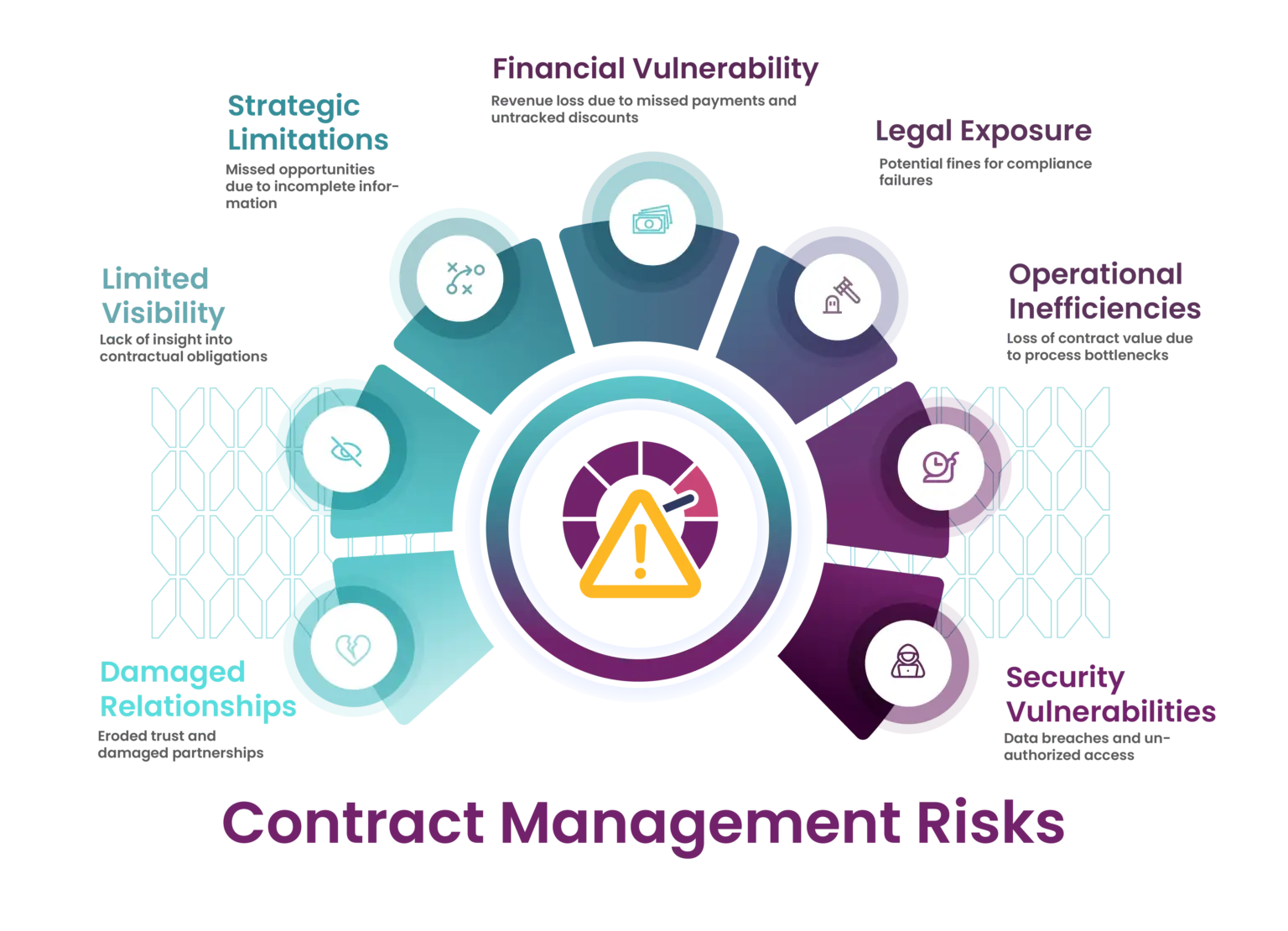
Analyzing the parameters of any professional strategy involving how to avoid contract cancellation risks requires separating routine commercial disputes from systemic legal default. Namely, contract cancellation vulnerabilities generally manifest in two distinct forms. First, the model comprises external, systemic shocks—such as sudden regulatory shifts, macroeconomic inflation, geopolitical instability, or global supply chain collapse—that render performance commercially impracticable or physically impossible. In contrast, the second model comprises internal, operational friction—such as milestone failure, cash flow degradation, changes in corporate ownership, or poor deliverable quality—that triggers a counterparty’s legal right to terminate for cause.
Nevertheless, a critical oversight in standard corporate planning literature is the assumption that inserting a standard force majeure clause provides absolute immunity against all cancellation scenarios. In practice, generic boilerplate language regarding acts of God frequently fails during complex commercial disputes due to restrictive judicial interpretations and a lack of specificity regarding pandemics, labor strikes, or regulatory shutdowns. Thus, utilizing insights regarding how to avoid contract cancellation risks demands an acute awareness of total risk exposure principles. Ultimately, reviewing these vulnerabilities through a multi-dimensional lens reveals that drafting clear notice-and-cure periods, establishing escrow accounts, and defining precise material breach triggers yields far greater protection than relying on broad statutory defenses, as the physical reality of managing commercial agreements involves navigating complex legal precedents, jurisdictional variations, and adversarial counterparty tactics during dispute resolution.
Deep Contextual Background: The Evolution of Commercial Contract Law and Termination Clauses
The lineage of commercial contract cancellation doctrines traces its roots directly to early English common law, where strict liability governed all agreements. Under the historical doctrine of absolute promise, an obligor was bound to perform their contractual duties regardless of intervening misfortunes, natural disasters, or unforeseen economic shifts, unless explicitly excused by the text of the agreement itself. This unforgiving legal standard created severe economic friction as industrial economies expanded and long-term commercial relationships grew increasingly complex.
Over the nineteenth and twentieth centuries, common law courts and international civil law codes began developing doctrines of excuse, including frustration of purpose and commercial impracticability, which acknowledged that certain extreme external events could dissolve contractual obligations without liability. Simultaneously, the drafting of sophisticated master service agreements introduced detailed termination-for-convenience and termination-for-cause provisions, allowing parties to negotiate bespoke exit ramps and penalty structures. This legal evolution transformed contract termination from a rigid judicial penalty into a heavily negotiated, risk-managed commercial mechanism, shifting the focus of modern procurement and legal counsel toward proactive drafting, contingency planning, and structural default prevention.
Conceptual Frameworks and Mental Models
To evaluate the legal stability, risk exposure, and cancellation vulnerability of any commercial agreement, industry professionals rely on several core mental models:
-
The Default-Risk Exposure Matrix: This model calculates the probability of counterparty default against the severity of financial and operational impact, prioritizing high-risk clauses for immediate structural remediation.
-
The Cure-Period Leverage Model: This framework analyzes the temporal mechanics of notice-and-cure provisions, ensuring sufficient runway to rectify performance deficiencies before a counterparty can legally trigger contract termination.
-
The Mitigation and Cover Economics Model: This mental framework evaluates the replacement cost and market availability of alternative vendors or inputs, modeling financial exposure if a primary contract is abruptly cancelled.
Key Categories or Variations
| Category | Primary Legal Mechanism | Core Operational Vulnerability | Typical Risk Mitigation Impact | Best-Suited Agreement Type |
| Milestone-Based Performance Covenants | Tiered Deliverable Sign-offs | Ambiguous Quality Standards | High (Prevents unjustified default claims) | Enterprise Software Development, Consulting |
| Detailed Force Majeure Redefinition | Expanded Scope of Excused Events | Narrow Judicial Interpretations | Moderate to High (Protects against systemic shocks) | Global Supply Chain, International Logistics |
| Structured Notice-and-Cure Windows | Mandatory 30-to-60 Day Remediation | Immediate Termination for Minor Breaches | High (Ensures operational continuity) | Facilities Management, Outsourced Services |
| Step-In Rights and Collateral Assignment | Direct Takeover of Sub-Contractors | Counterparty Insolvency or Operational Collapse | Very High (Prevents total project failure) | Construction, Real Estate Development |
| Financial Escrow and Letter of Credit | Liquidated Security Reserves | High Capital Tie-Up | Moderate (Guarantees settlement recovery) | High-Value Procurement, Mergers & Acquisitions |
| Termination-for-Convenience Buyouts | Pre-Agreed Exit Fee Schedules | Unpredictable Strategic Pivots | Moderate (Provides graceful commercial exit) | Long-Term Commercial Leases, Agency Retainers |
Accordingly, when analyzing these structural variations, sound decision logic dictates that establishing unambiguous milestone criteria and robust cure periods prevents most internal default disputes, whereas modernizing force majeure definitions protects against external macro shocks.
Detailed Real-World Scenarios and Decision Logic
Drafting an Enterprise Software Implementation Contract
Consequently, procurement teams must proactively strike down hair-trigger default clauses before signing, replacing them with extended notice-and-cure periods and equitable schedule-adjustment mechanisms that safeguard the enterprise from unrecoverable implementation losses. The decision logic requires restructuring the agreement to implement rolling milestone reviews, explicit notice-and-cure periods, and equitable adjustment mechanisms. If the enterprise accepts the initial vendor template without modification, a minor delay in data migration can trigger a legal cancellation, leaving the corporation with unrecoverable implementation costs and zero recourse.
Restructuring a Global Logistics and Supply Chain Agreement
Inside a manufacturing enterprise navigating volatile raw material markets, a sudden regulatory tariff or port shutdown threatens to breach delivery schedules under a strict supply agreement. In response, the legal protocol requires integrating a customized force majeure rider that explicitly enumerates supply chain blockages, regulatory embargoes, and labor strikes as excused events, paired with a mandatory good-faith renegotiation window. Failure to structure this expanded force majeure clause exposes the enterprise to devastating breach-of-contract damages when external events disrupt shipping lanes.
Planning, Cost, and Resource Dynamics
The financial architecture of mitigating termination vulnerabilities requires a sophisticated understanding of legal transaction costs, direct versus indirect liabilities, and ongoing compliance expenses.
| Expense Category | Cost Structure Relative to Baseline | Primary Cost Driver | Financial Risk Exposure |
| Specialized Legal Review and Drafting | Fixed Retainer or Hourly Professional Fees | Complexity of multi-jurisdictional terms | Low (Prevents catastrophic future litigation) |
| Escrow and Letter of Credit Fees | Percentage of Secured Capital (1% to 3% annually) | Banking fees and collateral requirements | Moderate (Capital liquidity reduction) |
| Compliance and Milestone Auditing | Internal Personnel Labor or External Third-Party Fees | Frequency of operational review cycles | Low (Ensures early detection of breach risks) |
| Liquidated Damages and Exit Penalties | Pre-Calculated Percentage of Remaining Contract Value | Severity of early termination clauses | High (Direct financial loss upon cancellation) |
Moreover, the opportunity cost of failing to audit contract terms or neglecting to establish clear default remediation procedures is severe, frequently resulting in paralyzing litigation, unrecoverable vendor deposits, and sudden operational shutdowns. Therefore, financial allocation models must heavily weight rigorous legal drafting, proactive covenant tracking, and transparent dispute-resolution mechanisms during early contracting phases.
Tools, Strategies, and Support Systems
-
Enterprise Contract Lifecycle Management (CLM) Platforms: Specialized software suites (such as Ironclad or Agiloft) used to track milestone deadlines, renewal windows, and notice-and-cure obligations across large corporate portfolios.
-
Automated Compliance and Milestone Monitoring Tools: Digital dashboards that track key performance indicators against contractual SLAs to provide early warning of potential vendor default.
-
Specialized Legal Template and Playbook Repositories: Standardized master agreement addendums outlining rigorous force majeure, limitation of liability, and termination protections.
-
Financial Risk Assessment and Credit Rating Services: Analytical tools used to evaluate the fiscal health and solvency of critical third-party vendors before contract execution.
-
Dispute Resolution and Mediation Frameworks: Pre-agreed contractual protocols requiring mandatory executive escalation and binding arbitration before initiating formal court litigation.
-
Escrow and Secure Holding Accounts: Financial mechanisms designed to protect milestone payments and ensure equitable fund distribution during contract disputes.
Risk Landscape and Failure Modes
-
Ambiguous Performance Metrics and Subjective Acceptance: Relying on vague quality standards (“satisfactory work”) instead of objective, measurable deliverables gives counterparties a pretext to reject work and trigger cancellation.
-
Overlooking Cross-Default and Insolvency Triggers: Failing to monitor the financial stability of key suppliers can lead to sudden corporate insolvency, leaving projects paralyzed with no operational backup plan.
-
Inadequate Notice-and-Cure Provisions: Omitting structured cure periods allows counterparties to execute immediate, unilateral contract cancellations without granting the opportunity to correct minor operational discrepancies.
Governance, Maintenance, and Long-Term Adaptation
Operating or utilizing commercial agreements across enterprise portfolios requires strict adherence to corporate governance standards, continuous legal review regimes, and proactive environmental management.
-
Contract Milestone Tracking Schedule: Weekly or monthly operational reviews starting at contract execution to verify that all deliverables align with agreed performance indicators.
-
Annual Master Agreement Legal Audit: Systematic review of standard contracting templates by legal counsel to ensure alignment with recent statutory changes and judicial precedents.
-
Vendor Financial Health Assessment: Bi-annual credit and solvency checks on all critical-path suppliers and long-term service providers.
-
Dispute Escalation Protocol Review: Periodic testing of internal communication channels to ensure executive leadership is notified immediately upon any formal notice of default.
-
Environmental Adaptation Triggers: Evolving corporate sustainability mandates and regulatory frameworks require pre-established operational adjustments within contracting structures. For instance, if institutional ESG frameworks mandate carbon reporting or ethical sourcing compliance, procurement teams must integrate environmental audit riders into supplier contracts, requiring partners to provide verified sustainability data without triggering termination disputes over shifting regulatory standards.
Measurement, Tracking, and Evaluation
-
Contract Breach Incident Rate (CBIR): A quantitative metric tracking the frequency of formal default notices issued or received across the enterprise portfolio.
-
Cure Success Ratio (CSR): Tracking the percentage of identified operational discrepancies successfully resolved within contractual notice-and-cure windows without escalating to cancellation.
-
Dispute Resolution Cost Efficiency (DRCE): The financial ratio comparing legal dispute expenditures against the total capital protected through negotiated settlements or mediation.
-
Vendor Compliance Realization Index (VCRI): Quantifying the degree to which third-party suppliers meet all operational SLAs, minimizing the risk of performance-based contract termination.
Common Misconceptions and Oversimplifications
-
Force majeure clauses automatically excuse all performance failures during global crises. Standard force majeure text frequently lacks specific inclusion for modern disruptions like cyberattacks, regional pandemics, or sudden regulatory embargoes.
-
Termination for convenience clauses allow parties to walk away from agreements with zero financial consequence. Exercising convenience clauses typically triggers substantial pre-calculated termination fees, unamortized asset purchases, and workforce compensation liabilities.
-
Oral agreements and email modifications hold the same legal weight as signed contract amendments. Crucially, while “no oral modification” clauses establish a high legal barrier, modern jurisprudence in various jurisdictions increasingly examines whether the parties’ subsequent conduct, partial performance, or reliance on informal communications (including emails) constitutes a waiver or estoppel, occasionally overriding strict contractual text during a dispute.
-
Standard boilerplate contract templates protect both parties equally. Vendor-provided templates are deliberately structured to shift financial risk, liability, and cancellation penalties onto the client organization.
-
A formal notice of default always results in immediate contract cancellation. Legally sound contracts utilize structured notice-and-cure periods designed to encourage operational remediation rather than instant termination.
-
Counterparty insolvency is unpredictable and impossible to protect against. Financial due diligence, letters of credit, and step-in rights can insulate organizations from the cascading effects of vendor bankruptcy.
Ethical, Practical, and Contextual Considerations
The negotiation of commercial agreements and the systematic prevention of contract cancellation risks introduce significant administrative responsibilities regarding corporate integrity, fair dealing, and commercial ethics. In practice, managing enterprise relationships requires strict adherence to internal compliance policies, anti-corruption standards, and transparent negotiation practices. Furthermore, legal and procurement professionals must ensure that risk-shifting clauses, penalty structures, and default provisions comply with statutory fairness doctrines, avoiding unconscionable terms that exploit weaker counterparties. Ultimately, maintaining an ethical balance between protecting institutional capital and supporting collaborative, long-term vendor partnerships remains a vital responsibility for executive leadership.
Conclusion
The systematic prevention of commercial contract cancellation risks requires a sophisticated synthesis of legal craftsmanship, operational due diligence, financial risk modeling, and strategic negotiation. Effective risk mitigation demands moving past standard boilerplate agreements to evaluate total legal exposure, default triggers, notice-and-cure mechanics, and force majeure boundaries. Navigating this procurement landscape successfully requires looking past promotional vendor proposals to uncover the underlying mechanics of performance covenants, step-in rights, and structured exit strategies. As global regulatory standards and economic conditions continue to mature, the framework for sustainable, high-performance contract governance will evolve, offering disciplined legal teams and corporate organizations a definitive path toward fiscal protection and long-term operational resilience.