How to Plan Hotel Events on a Budget: Cost & Contract Guide
Financially orchestrating professional gatherings in commercial hospitality properties requires navigating complex hotel master agreements, yield-management algorithms, and multi-tiered concessions. For corporate conferences, association congresses, incentive programs, or business summits, venue and lodging costs usually represent the largest budget line item. Unchecked room rates, hidden service charges, rigid attrition clauses, and inflated food and beverage minimums can destabilize financial projections and turn a gathering into a fiscal liability.
Achieving budgetary sustainability demands looking beyond surface-level room-rate discounts or introductory promotional codes. It requires mastering hotel revenue management, leveraging historical pickup data, optimizing food and beverage minimums, and deploying contract riders that shift financial exposure away from the organizers. This manual provides the structural framework necessary to plan hotel events on a budget across global commercial markets.
Understanding “how to plan hotel events on a budget”
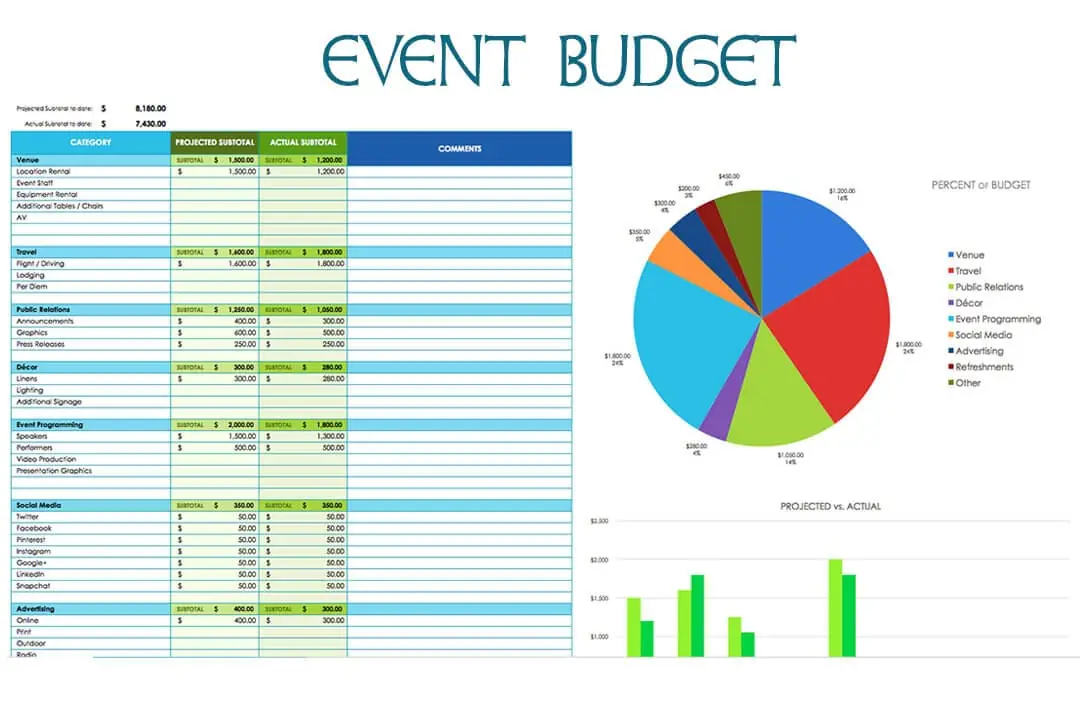
Analyzing professional strategies for planning hotel events on a budget requires separating consumer-facing booking tactics from enterprise-level master service agreement negotiations. The hospitality procurement market is bifurcated into two distinct operational models. The first model features retail booking mechanisms—such as online travel agencies, direct hotel websites, and corporate transient portals—which are optimized for individual travelers. These platforms offer zero leverage for volume aggregation, meeting space concessions, or master-account billing. The second model comprises group block contracts, venue buyouts, and multi-year master service agreements. Here, organizers leverage aggregated room nights, food and beverage minimums, and ancillary spending to negotiate deep financial concessions and liability protections.
A critical oversight in corporate planning is assuming that lowering baseline room rates or demanding arbitrary meeting room discounts is the most effective way to reduce overall expenses. In practice, forcing a hotel into an unsustainable room rate often prompts the property to claw back revenue through inflated auxiliary fees, rigid attrition damages, mandatory resort surcharges, and exorbitant audiovisual commissions. Using strategies for how to plan hotel events on a budget demands an acute awareness of total cost of ownership principles. Reviewing expenditures through a multi-dimensional lens reveals that controlling labor surcharges, optimizing food minimum wash clauses, and securing complimentary meeting space yields far greater net savings than minor adjustments to nightly room rates. Managing commercial hotel contracts successfully involves navigating complex yield curves, demand forecasting models, and adversarial property-level revenue management strategies.
Deep Contextual Background: The Evolution of Hotel Contract Economics
The foundational era of commercial hotel contracting emerged from mid-20th-century convention center developments, expanding railway hotel networks, and early corporate meeting programs. As multinational enterprises expanded internationally after World War II, corporations and associations began organizing large-scale annual gatherings. This growth necessitated formal agreements to secure blocks of guest rooms and specialized meeting spaces. These early commercial arrangements relied on simple handshake deals, paper ledger bookings, and rudimentary group rates. This lack of structure created administrative friction and exposed properties and organizers to sudden financial losses during economic downturns.
As enterprise property management systems, automated global distribution networks, and sophisticated hotel yield-management algorithms matured into the digital era, hotel contracting underwent a complete transformation. Properties introduced dynamic pricing models, complex attrition formulas, and automated rooming list portals that allowed revenue managers to optimize every square foot of real estate in real time. This technological evolution turned hotel sales operations into high-performance yield-maximization units, shifting negotiating power toward properties during high-demand periods. Concurrently, the rise of specialized strategic sourcing firms and professional meeting planners forced the industry to develop advanced contract negotiation tactics. Cost reduction evolved into an analytical discipline focused on risk transfer, performance-based concessions, and total demand aggregation.
Conceptual Frameworks and Mental Models
Evaluating the financial stability, negotiation leverage, and cost-reduction potential of any hotel event contract requires applying several core mental models:
-
The Total Cost of Ownership (TCO) Framework for Hospitality Events: This model calculates the aggregate financial burden of an event—including guest room rates, meeting space rentals, local taxes, resort fees, internet bandwidth charges, food minimums, and audiovisual commissions—rather than focusing solely on baseline nightly room costs.
-
The Yield-Curve Leverage Model: This framework analyzes historical hotel occupancy patterns and seasonal demand curves to determine the optimal timing for contract execution, leveraging shoulder nights and low-demand periods to extract maximum concessions from property revenue managers.
-
The Attrition-Wash Risk Matrix: This metric models the financial exposure associated with room block shrinkage and food minimum under-consumption, evaluating how sliding-scale reduction clauses and cumulative wash formulas protect budgets against unexpected registration shortfalls.
Key Categories and Financial Levers
| Category / Variation | Primary Financial Lever | Core Operational Vulnerability | Typical Savings Potential | Best-Suited Event Profile |
| Off-Peak & Shoulder Date Scheduling | Drastically Lower Baseline Room Rates | Reduced Attendee Availability / Holiday Conflicts | 25% to 50% | Association Congresses, Flexible Training Seminars |
| Multi-Year Master Service Agreements | Volume-Based Rebates & Rate Caps | Long-Term Lock-in During Market Downturns | 15% to 30% | Enterprise Corporate Programs, Annual Conventions |
| Cumulative Attrition & Wash Clauses | Elimination of Empty Room Penalties | Complex Accounting and Pre-Cutoff Audits | 20% to 40% | Volatile Registration Events, Membership Meetings |
| Food & Beverage Minimum Optimization | Converted Meeting Space Rental Fees | Rigid Minimum Spending Thresholds | 15% to 25% | Gala Dinners, Executive Retreats, Awards Banquets |
| Third-Party Housing Portal Integration | Reduced Administrative Labor & Block Leakage | Software Licensing Fees & User Friction | 10% to 20% | Large Multi-Property Medical or Tech Conferences |
| Ancillary Fee & Surcharge Waivers | Elimination of Wi-Fi, Resort, and Baggage Fees | Reluctance of Hotels to Waive Mandatory Fees | 5% to 15% | Corporate Sales Meetings, Mid-Sized Conferences |
Shifting event dates into shoulder periods provides the most dramatic reduction in baseline room and space rental rates, whereas negotiating multi-year master service agreements secures long-term rate stability across multiple enterprise gatherings.
Detailed Real-World Scenarios and Decision Logic
Negotiating a Major Corporate Annual Meeting in a High-Demand Urban Center
When a corporate enterprise contracts a flagship downtown hotel for an annual sales convention during a peak business quarter, the property’s revenue manager initially pushes for high nightly room rates, expensive meeting space rentals, and strict attrition clauses. The decision logic requires offering shoulder nights (Sunday and Thursday extensions) to balance the hotel’s weekly occupancy curve in exchange for waiving meeting room rental fees and capping annual rate increases. Accepting the initial unadjusted room block quote without leveraging shoulder nights forces the organization to absorb maximum transient rates and heavy room rental penalties.
Restructuring Food and Beverage Minimums for an Association Congress
Inside a luxury convention hotel where the contracted food and beverage minimum threatens to exceed actual attendee consumption, the financial risk involves paying severe forfeiture penalties for unconsumed meals. Operational protocols require negotiating a sliding-scale food minimum that converts unspent dining credits into hosted cocktail receptions or operational coffee breaks, paired with a pre-cutoff audit window. Failing to structure this conversion clause forces the organization to pay for expensive banquet items that attendees never consume.
Planning, Cost, and Resource Dynamics
The financial architecture of reducing event lodging and venue expenses requires a sophisticated understanding of direct versus indirect expenditures, opportunity costs, and variable hotel surcharges.
| Expense Category | Cost Structure Relative to Baseline | Primary Cost Driver | Financial Risk Exposure |
| Master Room Block | Nightly Rates $\times$ Group Volume | Market demand, season, and city-wide compression | High (Fixed financial commitment if unbooked) |
| Meeting Space Rental Fees | Flat Daily Rate or Minimum Spend Offset | Square footage, setup complexity, and demand | Moderate (High sunk costs if space is underutilized) |
| Audiovisual and Rigging Commissions | Percentage of Total AV Spend (20% to 40%) | In-house vendor exclusivity agreements | High (Inflated monopoly pricing on technical gear) |
| Staff Gratuities and Service Surcharges | 18% to 25% added to Food & Beverage | Banquet labor, plating, and delivery fees | Moderate (Unbudgeted final invoice expansion) |
The opportunity cost of failing to audit final master folio bills or neglecting to enforce attrition review windows is severe, frequently resulting in thousands of dollars in overcharges, unverified taxes, and unwarranted service fees. Consequently, financial allocation models must heavily weight rigorous contract auditing, proactive block washing, and transparent fee disclosures during early planning phases.
Tools, Strategies, and Support Systems
-
Strategic Sourcing and RFP Management Platforms: Specialized software suites (such as Cvent or Bizly) used to distribute Requests for Proposals simultaneously to hundreds of properties, driving competitive bidding.
-
Historical Hotel Pricing and Demand Analytics Tools: Data intelligence platforms that track historical city-wide occupancy rates, compression dates, and competitor pricing trends.
-
Automated Sub-Block Housing and Reservation Portals: Systems that streamline attendee booking while tracking real-time pickup pace to prevent unexpected attrition penalties.
-
Comprehensive Contract Review and Legal Templates: Standardized master service agreement addendums outlining rigorous force majeure, attrition, and wash protections.
-
Folio Auditing and Expense Management Software: Specialized accounting tools designed to scan master bills line by line for duplicate charges, tax calculation errors, and uncontracted fees.
-
Dynamic Pace Forecasting Models: Spreadsheet and BI models utilized by planners to predict final room pickup curves and determine the exact date to release unbooked inventory without penalty.
Risk Landscape and Failure Modes
-
Aggressive Under-Blocking and Displacement: Booking too few rooms to secure a lower rate can cause the block to sell out instantly, forcing remaining attendees to pay inflated out-of-block transient rates.
-
Over-Blocking and Attrition Liability: Contracting excessive room nights based on inflated attendance estimates can trigger devastating attrition penalties, forcing the organization to pay for empty rooms.
-
Vendor Exclusivity and Monopoly Pricing: Failing to negotiate external vendor exemptions for audiovisual, internet, or security services exposes the budget to extreme monopoly markups from hotel-affiliated providers.
Governance, Maintenance, and Long-Term Adaptation
Operating or utilizing hotel contracts across enterprise portfolios requires strict adherence to corporate governance standards, continuous contract auditing regimes, and proactive environmental management.
-
Room Block Pace Audit Schedule: Weekly tracking intervals starting six months out and accelerating to daily reviews thirty days before the event to manage attrition risk.
-
Master Service Agreement Legal Review: Annual updates of standard contracting templates to ensure force majeure, liability caps, and cancellation terms align with current legal standards.
-
Post-Event Master Folio Audit: Mandatory line-by-line financial reconciliation conducted within fourteen days of event conclusion to dispute billing errors.
-
Multi-Year Vendor Portfolio Review: Semi-annual evaluation of hotel partnerships to aggregate enterprise spend and leverage volume rebates.
-
Environmental Adaptation Triggers: Evolving corporate sustainability mandates require pre-established operational adjustments within hotel contracting frameworks. If institutional ESG frameworks mandate carbon offset reporting or plastic-reduction targets, procurement teams must integrate sustainability riders into hotel contracts, requiring properties to provide verified environmental data and waste diversion metrics without imposing hidden green surcharges.
Measurement, Tracking, and Evaluation
-
Cost Variance per Attendee Day (CVPAD): A quantitative metric tracking the total combined lodging, space rental, and event expense divided by total attendee days.
-
Attrition Penalty Avoidance Ratio (APAR): Tracking the financial savings achieved through successful block washing, cumulative calculations, and pre-cutoff release clauses.
-
Master Bill Error Recovery Rate (MBERR): The percentage of erroneous or uncontracted line items successfully identified and credited during post-event folio audits.
-
Concession Value Realization Index (CVRI): Quantifying the total monetary value of waived resort fees, complimentary meeting spaces, and upgraded suites secured through strategic negotiations.
Common Misconceptions and Oversimplifications
-
Booking hotel rooms and meeting spaces far in advance always guarantees the lowest possible group rate. Hotels frequently price early group blocks conservatively high; strategic negotiators often utilize compression data to secure better rates closer to shoulder dates.
-
Attrition clauses are standard boilerplate terms that cannot be altered. Experienced organizers routinely negotiate cumulative attrition, sliding scales, and pre-cutoff audit windows to eliminate financial risk.
-
Resort fees and mandatory amenities are non-negotiable taxes. Mandatory resort and destination fees can almost always be waived or discounted as part of a comprehensive master negotiation package.
-
In-house audiovisual providers offer the most reliable and cost-effective technical support. In-house hotel AV vendors operate under high commission structures that inflate equipment rental costs by up to forty percent compared to outside production companies.
-
Group rates include all basic guest room amenities like high-speed internet. Standard group rates frequently exclude basic in-room Wi-Fi, requiring planners to negotiate explicit internet bundling clauses.
-
A signed contract locks in all costs for the lifetime of the event planning cycle. Without explicit rate protection riders, hotels can introduce unexpected energy surcharges, administrative fees, or labor adjustments prior to the event date.
Ethical, Practical, and Contextual Considerations
The procurement of commercial hotel space and the systematic reduction of event expenses introduce significant administrative responsibilities regarding transparency, vendor equity, and financial ethics. Managing large-scale corporate or association budgets requires strict adherence to internal compliance policies, anti-corruption standards, and transparent reporting practices. Planners must ensure that concession negotiations, volume rebates, and hotel incentive programs comply with corporate governance rules, avoiding conflicts of interest or undisclosed financial kickbacks. Furthermore, balancing aggressive cost-cutting measures with fair labor practices—ensuring that hotel staff receive appropriate wages and service distribution—remains a vital responsibility for ethical event directors.
Conclusion
The systematic reduction of hospitality and event expenditures requires a sophisticated synthesis of financial analysis, legal contract negotiation, yield-management intelligence, and operational risk management. Effective cost containment demands moving past surface-level room rate discussions to evaluate total cost of ownership, attrition exposure, mandatory surcharges, and auxiliary service fees. Navigating this procurement landscape successfully requires looking past promotional hotel proposals to uncover the underlying mechanics of yield curves, volume aggregation, and performance concessions. As corporate governance standards and global economic conditions continue to evolve, the framework for sustainable, high-performance event budgeting will mature, offering disciplined planners and organizations a definitive path toward fiscal protection and long-term budgetary resilience.