Best Waterfront Event Hotels USA: The Definitive Guide
The intersection of high-capacity assembly infrastructure and prime littoral geography creates a unique operational tier within the hospitality ecosystem. When corporate syndicates, global association executives, and independent producers evaluate domestic gathering points adjacent to oceans, great lakes, and major navigable rivers, surface-level destination marketing yields little insight into actual operational viability. The true measure of a property’s capability lies in its structural capacity to manage complex logistical throughput, localized environmental protection laws, wind-load tolerances, and multi-day service scaling without degrading participant experience or compromising structural integrity.
Mastering this ecosystem requires looking past promotional brochures to examine how spatial distribution, regional infrastructure, and local civic frameworks dictate long-term success. This analysis serves as an exhaustive reference manual for identifying, vetting, and choosing premier sites, establishing the baseline required to navigate the best waterfront event hotels USA across corporate, association, and large-scale cultural sectors.
Understanding “best waterfront event hotels USA”
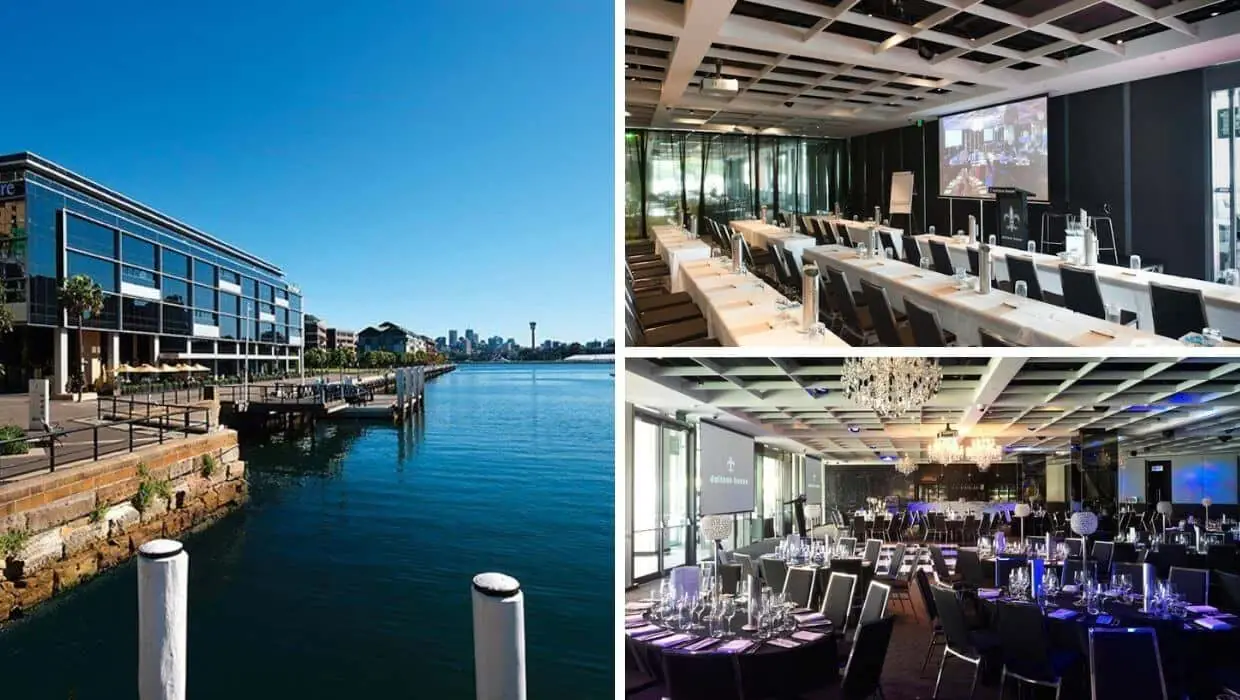
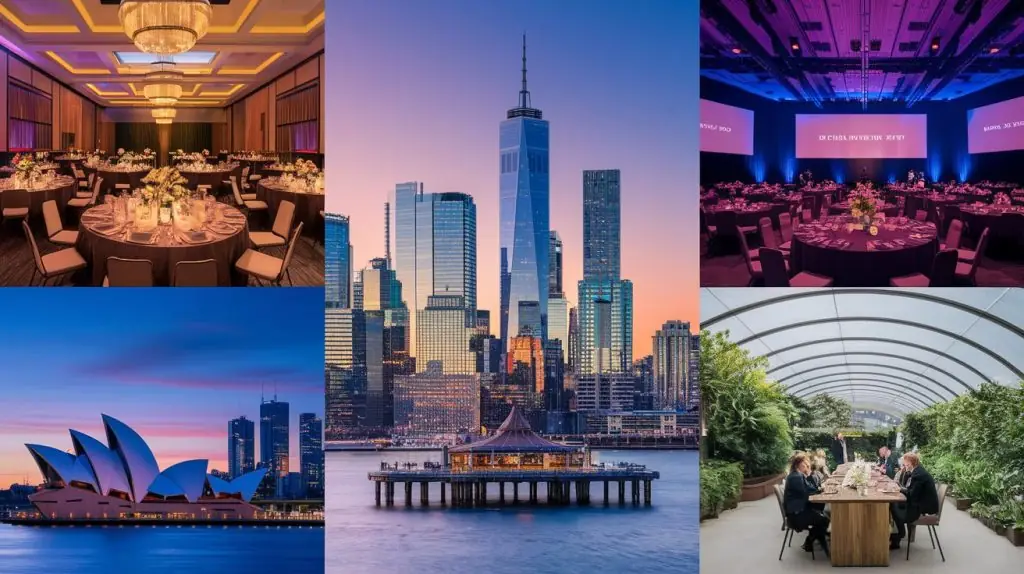
Analyzing the core criteria that define the best waterfront event hotels USA requires separating standard leisure-oriented beach resorts from major convention properties purposefully engineered to handle high-consequence conventions, trade exhibitions, and multi-thousand-participant summits along marine and freshwater edges. The domestic landscape is categorized into distinct operational tiers. The first tier comprises primary gateway coastal and riverfront metropolises featuring massive ballroom footprints, extensive maritime logistics access, thousands of branded hotel rooms within a walkable radius, and sophisticated destination marketing organizations (DMOs) backed by heavy municipal funding. These locations provide peerless logistical support and global accessibility, but they frequently present severe cost inflation, rigid environmental compliance standards, and heavy weather vulnerability during peak operational periods. The second tier comprises thriving secondary and regional littoral markets that offer specialized industrial alignment, highly competitive pricing, streamlined venue access, and deep community collaboration along lakefronts and protected harbors.
A common miscalculation in event strategy is assuming that proximity to water or scenic shoreline views directly correlates with successful meeting execution. In practice, selecting locations based purely on leisure appeal without auditing regional transit capacity, wind-load safety ratings, or convention center utility distribution exposes organizers to severe operational bottlenecks. Utilizing insights surrounding the best waterfront event hotels in the USA demands an analytical focus on multi-modal transit connectivity, municipal safety frameworks, and back-of-house staging efficiency. Reviewing these regional portfolios through a structural lens proves that evaluating local labor regulations and infrastructure durability yields far greater long-term stability than relying on promotional advertising. The physical reality of managing large-scale gatherings involves coordinating complex multi-agency security, managing strict municipal noise and zoning laws, and maintaining seamless crowd flows across expansive urban footprints.
Deep Contextual Background: The Evolution of Urban Assembly and Regional Infrastructure
The lineage of premier hosting hubs across the United States traces its roots to nineteenth-century industrial exhibition halls, railway nexus cities, and early trade associations designed to showcase manufacturing prowess and commercial expansion. As commercial aviation matured following the mid-second industrial wave and interstate highway systems linked distant regions, traditional downtown hotels could no longer accommodate the massive spatial demands of modern trade shows and multi-thousand-delegate conventions. Municipalities responded by constructing publicly funded convention complexes, inner-city revitalizations, and specialized entertainment districts designed to capture high-yield business tourism.
Over subsequent decades, the digital revolution and the rise of experiential event design forced these regional centers to modernize their core infrastructure. Cities introduced high-density municipal Wi-Fi networks, expanded light-rail and rapid transit links connecting airports directly to convention cores, and integrated smart-city traffic management systems capable of dynamic crowd routing. This ongoing evolution transformed site selection from a simple hotel-booking transaction into an urban infrastructure audit focused on transit resilience, power grid redundancy, and public-private economic alignment.
Conceptual Frameworks and Mental Models
To evaluate the operational capacity and structural suitability of any major metropolitan or regional gathering hub, industry professionals rely on several core mental models:
-
The Hub-and-Spoke Transit Accessibility Model: This framework calculates the friction of participant movement from international and domestic airports through regional rail or highway networks directly to primary lodging and meeting nodes.
-
The Municipal Load-Bearing Capacity Matrix: This mental model maps the ratio of transient event participants to permanent local infrastructure, ensuring water, waste, public safety, and medical services remain uncompromised during peak surges.
-
The Multi-Stakeholder Economic Alignment Grid: This analytical framework evaluates the cooperation level between city governments, transit authorities, convention bureaus, and hospitality unions to prevent operational friction during major deployments.
Key Categories or Variations
When analyzing these structural variations, sound decision logic dictates that failing to audit seasonal weather risks and regional airlift reliability represents the most operationally destructive error an event planner can commit.
Detailed Real-World Scenarios and Decision Logic
Selecting a Primary Gateway Metropolis for a Global Technology Trade Show
Multinational associations coordinating massive annual exhibitions face rigorous site-selection criteria. Selection teams must evaluate primary gateway cities carefully. The decision logic requires choosing locations featuring million-square-foot convention centers and direct international flight corridors. Planners must also secure multi-hotel blocks situated within walking distance or connected via mass rapid transit.
Selecting scenic secondary markets based purely on lower venue rental costs introduces severe vulnerabilities. Without auditing international flight connections and local hotel capacity, attendees face extreme travel friction. This oversight causes depressed registration numbers and high exhibitor attrition. Planners must prioritize accessibility and infrastructure scale to ensure event viability.
Orchestrating an Executive Leadership Summit in a Secondary Cultural Hub
Inside a major financial institution, an internal committee organizes a high-stakes strategic retreat for two hundred senior executives. Because the objective requires deep focus, cross-departmental alignment, and absolute privacy, the operational protocol avoids noisy convention districts and selects a historic southern cultural hub featuring boutique historic properties, dedicated private dining rooms, and streamlined security logistics. The second-order effects of this targeted selection foster higher engagement, minimize external distractions, and reinforce corporate confidentiality standards.
Planning, Cost, and Resource Dynamics
The financial architecture of evaluating and securing locations among premier destinations requires a sophisticated understanding of direct versus indirect expenditures, municipal tax structures, and variable operational overhead.
The opportunity cost of failing to negotiate comprehensive housing contract attrition clauses or neglecting municipal tax exemption rules is severe, frequently resulting in inflated master accounts and unexpected financial penalties. Consequently, financial allocation models must heavily weight comprehensive contract review, total cost of attendance calculations, and expert destination partnership negotiation.
Tools, Strategies, and Support Systems
-
Destination Data and Analytics Platforms: Advanced intelligence software tracking historical convention attendance, hotel compression dates, and regional pricing trends.
-
Convention and Visitors Bureau (CVB) Portal Systems: Direct municipal liaison channels managing Requests for Proposals (RFPs), site inspection itineraries, and housing bureau coordination.
-
Multi-Modal Transit and Traffic Simulation Software: Digital modeling tools mapping participant movement and shuttle bus routing across complex urban street grids.
-
Emergency Management and Weather Monitoring Systems: Real-time meteorological tracking software integrated with local municipal safety and emergency response teams.
-
Sustainable Event Measurement and Certification Tools: Carbon footprint tracking applications measuring regional transit emissions, waste diversion, and energy efficiency.
-
Master Housing Bureau and Sub-Block Management Software: Automated reservation platforms synchronizing room inventory across dozens of disparate hotel properties.
Risk Landscape and Failure Modes
-
The Citywide Hotel Compression Trap: Booking a major event during an unannounced overlapping citywide festival or sports championship, resulting in skyrocketing hotel rates, sold-out inventories, and alienated participants.
-
Airlift Vulnerability and Hub Disruption: Selecting a regional destination dependent on a single airline hub, where a localized labor strike or weather event completely paralyzes attendee arrival pipelines.
-
Labor Strike and Union Disruption Risks: Operating within rigid union jurisdictions without establishing clear contingency agreements for freight handling, staging, and catering, leading to sudden operational walkouts.
Governance, Maintenance, and Long-Term Adaptation
Operating or evaluating major event destinations requires strict adherence to institutional governance standards, continuous audit regimes, and proactive risk management.
-
Layered Maintenance Checklist:
-
Comprehensive Municipal Infrastructure Audit: Mandatory physical review conducted by senior logistics leads twelve months prior to event execution to verify transit and venue readiness.
-
Contractual Service Level Verification: Legal audit of all convention center and hotel agreements to ensure guaranteed load-in windows, internet bandwidth minimums, and force majeure protections are explicit.
-
Pre-Conference Stakeholder Coordination Meeting: Detailed briefing involving city police, transit directors, venue operators, and event security forty-eight hours before participant arrival.
-
Post-Event Economic Impact Evaluation: Mandatory debriefing conducted with destination marketing executives within thirty days of event conclusion to measure actual versus projected community yield.
-
-
Environmental Adaptation Triggers: Evolving climate conditions, municipal resource conservation mandates, and changing environmental regulations require pre-established operational adjustments within event planning frameworks. Host regions facing severe water scarcity or extreme heat advisories require proactive intervention. Organizing teams must partner directly with municipal authorities. Planners implement vital safeguards without diminishing participant comfort. These measures include indoor climate management protocols, sustainable waste diversion systems, and expanded hydration stations.
Measurement, Tracking, and Evaluation
-
Participant Spatial Flow Index (PSFI): A qualitative survey metric measuring attendee perception of transit ease, venue navigation, and local safety.
-
Destination Economic Yield Ratio (DEYR): Tracking total direct, indirect, and induced economic impact generated within the host city relative to initial event expenditure.
-
Housing Block Pickup and Attrition Rate (HPAR): Quantifying the proportion of contracted hotel rooms actually utilized versus financial penalties incurred for unfulfilled inventory.
-
Multimodal Transit Efficiency Score (MTES): Quantitative tracking of shuttle punctuality, airport transfer times, and regional rail reliability throughout the event lifecycle.
Common Misconceptions and Oversimplifications
-
Choosing a popular tourist destination automatically guarantees high convention registration numbers. High leisure appeal does not replace the necessity of efficient business infrastructure, affordable hotel blocks, and accessible air transit.
-
All domestic convention centers offer identical technical capabilities and power grid infrastructure. Older historic exhibition halls frequently lack modern high-density fiber optics, adequate floor power drops, and sufficient vertical clearance for advanced rigging.
-
Destination marketing organizations (DMOs) charge fees to event organizers for their site selection assistance. CVBs and DMOs are typically funded by local occupancy taxes and provide free logistical, bidding, and promotional support.
-
Secondary and tertiary cities lack the professional talent pool required to execute complex corporate events. Many emerging markets boast highly experienced local production crews, dedicated hospitality workers, and lower bureaucratic friction than primary metropolises.
-
Weather contingencies for outdoor event destinations can be safely managed on an ad hoc basis. Waiting until severe weather threatens an outdoor regional gathering to secure fallback indoor venues results in catastrophic failure and exorbitant emergency costs.
-
Securing a venue contract covers all municipal permits required for street closures and public gatherings. Hosting events utilizing public spaces requires separate, multi-agency municipal permits covering street closures, security details, and health department clearances.
-
Hotel room rates within a city remain static throughout the year regardless of external events. Dynamic hotel pricing models fluctuate wildly based on overlapping citywide conventions, sports tournaments, and academic calendars.
-
Relying solely on digital site tours is sufficient to vet a complex multi-venue destination. Virtual tours cannot reveal acoustic bleed, back-of-house bottlenecks, loading dock elevation limits, or actual neighborhood safety dynamics.
Ethical, Practical, and Contextual Considerations
Selecting premier event destinations introduces major administrative responsibilities. Planners must manage economic equity, community disruption, environmental stewardship, and accessibility compliance. Managing large-scale human gatherings requires upholding rigorous Americans with Disabilities Act standards. Organizers must ensure public transit networks, convention venues, and lodging facilities accommodate all participants equitably.
Furthermore, partnering with local community organizations fosters mutually beneficial commercial exchanges. Planners achieve this through minority-owned suppliers and regional sustainability initiatives that honor host municipalities. Maintaining transparent, ethical partnerships with civic leaders safeguards the integrity and long-term vitality of these vital regional hosting assets.
Conclusion
Systematic evaluation and selection of premier event hosting locations demand sophisticated synthesis. Planners must combine transit auditing, municipal logistics management, infrastructure stress testing, and rigorous stakeholder negotiation. Achieving lasting success requires moving past surface-level destination marketing. Organizers must evaluate air accessibility, labor reliability, public safety frameworks, and total economic impact.
Navigating this operational landscape successfully requires uncovering the underlying mechanics of regional supply chains, municipal governance, and environmental constraints. Business travel and association expectations continue to evolve rapidly. This shift causes the framework for sustainable, high-performance destination selection to mature. Disciplined planners and organizations gain a definitive path forward. This evolution unlocks profound professional execution and drives long-term satisfaction.