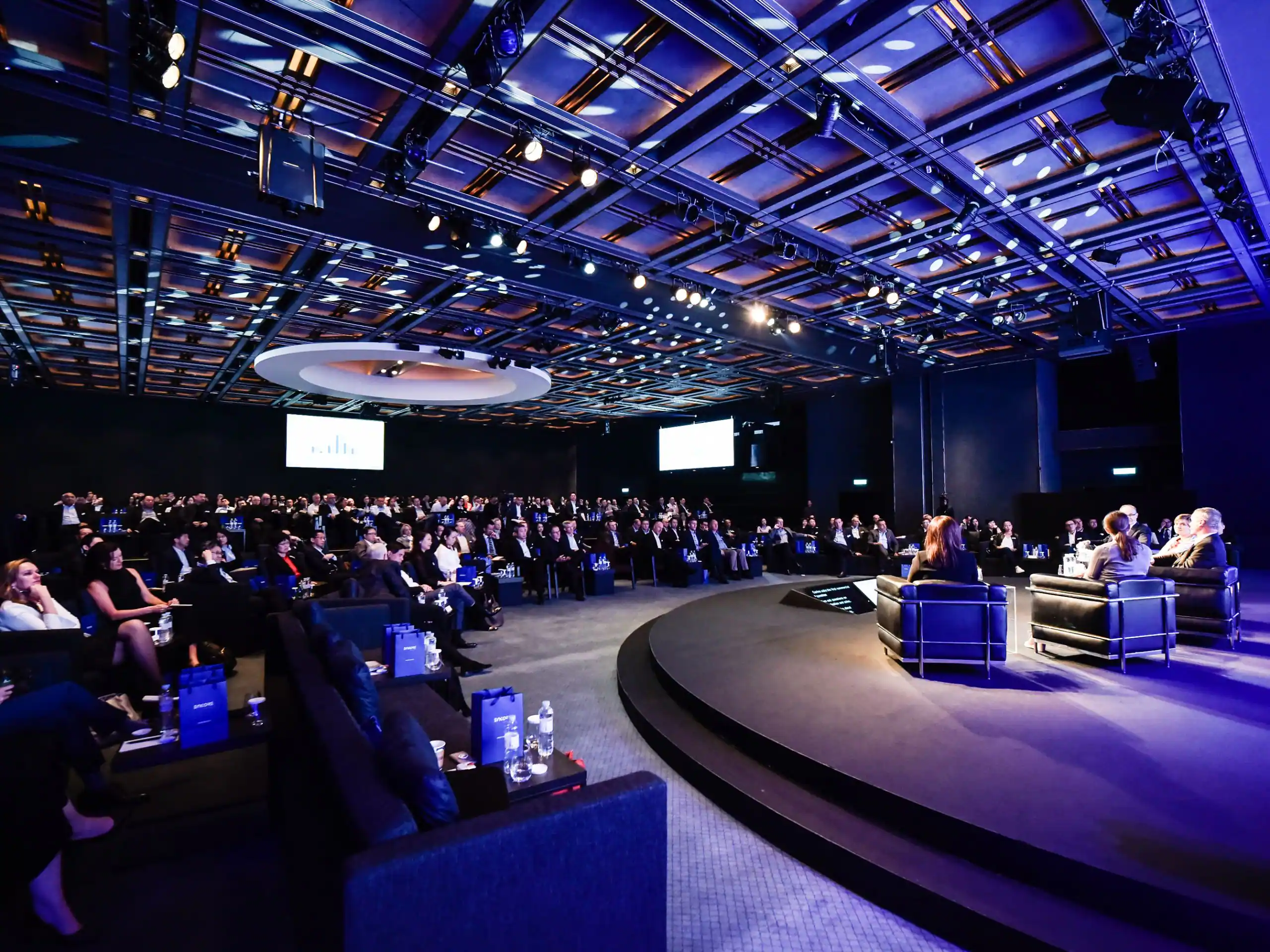
Best Event Hotels for Large Groups: MICE Venues & Logistics Guide
Managing large-scale corporate delegations, international assemblies, and high-capacity retreats demands complex spatial engineering, inventory control, and operational orchestration. When housing hundreds of participants under a single roof, standard hospitality workflows break down entirely. Moving massive groups between quarters, plenaries, and banquet halls without bottlenecks requires properties engineered specifically for high-density transit.
Selecting venues for multi-thousand-delegate programs involves looking far beyond glossy marketing brochures. It requires evaluating vertical transportation capacity, master-folio routing architectures, kitchen output thresholds, and integrated audiovisual infrastructure. This document provides a technical framework for evaluating, contracting, and managing properties positioned as the best event hotels for large groups.
Understanding “best event hotels for large groups”
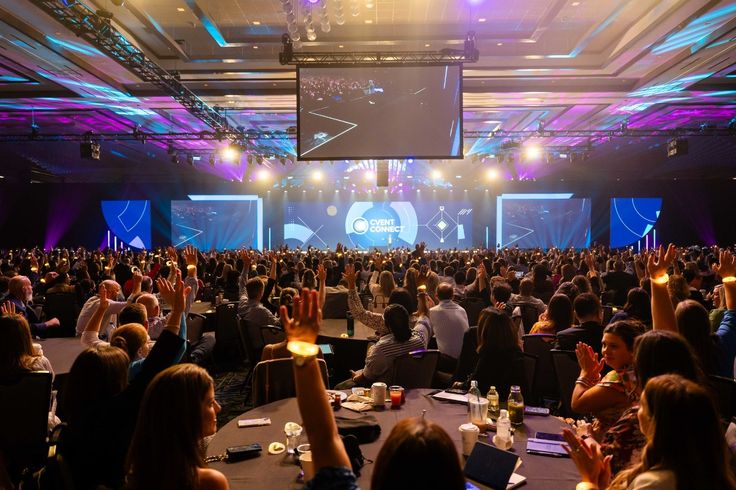
Analyzing the parameters of professional strategies involving the best event hotels for large groups requires separating standard leisure properties from true MICE (Meetings, Incentives, Conferences, and Exhibitions) flagships. Specifically, the high-capacity hospitality market is bifurcated into two distinct operational models.
The first model comprises integrated convention resorts and metropolitan mega-hotels—such as massive properties equipped with attached multi-hundred-thousand-square-foot exhibition centers—where robust back-of-house corridors, multiple loading docks, and massive guest-room inventories operate under continuous corporate volume pressure. In contrast, the second model includes decentralized corporate retreat compounds and historic estate properties that handle large headcounts through campus-style layouts, thereby prioritizing seclusion and environmental immersion over raw indoor square footage.
A critical oversight in standard event planning literature is the assumption that high guest-room counts automatically translate to successful group hosting capabilities. Consequently, a property featuring two thousand sleeping rooms can still fail catastrophically if its elevator banks cannot handle simultaneous morning mass transit, or if its primary ballroom lacks the clear-span rigging points required for modern digital production. Conversely, smaller boutique venues avoid massive transit bottlenecks but struggle with simultaneous break-out demands.
Furthermore, utilizing insights regarding the best event hotels for large groups effectively demands an acute awareness of these structural and mechanical thresholds. For instance, reviewing these environments through a traditional vacation lens guarantees miscalculations regarding group check-in queues, kitchen plating velocity, and master-billing distribution. Ultimately, the physical reality of managing large delegations involves relentless service choreography, complex security vetting, and strict adherence to municipal life-safety occupancy limits.
Deep Contextual Background: The Evolution of Large-Scale Group Hospitality
The lineage of high-capacity group hosting traces back directly to mid-20th-century grand railway hotels and early metropolitan convention hubs. As international business and association travel accelerated post-war, organizations required centralized facilities capable of housing hundreds of delegates simultaneously without fragmenting groups across disparate city blocks. Initially, these properties relied on massive masonry construction, expansive pillar-supported ballrooms, and manual ledger systems managed by vast corps of front-desk clerks. Consequently, these rudimentary operating models created severe administrative bottlenecks, frequent double-booking errors, and limited communication between lodging divisions and catering departments.
Subsequently, as hospitality technology and architectural engineering matured through the late 1980s and subsequent decades, the introduction of computerized property management systems (PMS), electronic room-block inventory tracking, and modular convention spaces revolutionized large-scale group execution. Properties began incorporating dedicated fiber-optic backbones, high-speed vertical freight elevators, and expansive multi-functional pre-function corridors designed to absorb heavy surge traffic. This technological and material evolution ultimately enabled properties to transition from static lodging providers into comprehensive, enterprise-grade event ecosystems. Concurrently, the rise of sophisticated group contracting protocols allowed operators to streamline billing distribution, bridging the gap between basic commercial shelter and high-performance corporate assembly venues.
Conceptual Frameworks and Mental Models
These three operational frameworks form the core analytical foundation for evaluating high-capacity group properties, mitigating transit bottlenecks, and maintaining service integrity during large-scale corporate events:
1. The Vertical Transit Saturation Index
-
Operational & Passenger Focus: This framework calculates the precise ratio of operational guest elevators to total room inventory and peak attendee volume.
-
Key Variables: It models how quickly an entire delegation can move from sleeping floors to ground-level plenary spaces during compressed morning departure windows, preventing catastrophic lobby and elevator bank bottlenecks.
2. The Core-to-Perimeter Circulation Ratio
-
Architectural & Flow Focus: This model analyzes the primary architectural pathways connecting guest towers to meeting spaces, exhibition halls, and banquet facilities.
-
Key Variables: It evaluates corridor widths, pinch points, and directional flow capacity to ensure thousands of attendees can transition between simultaneous breakout sessions without physical gridlock.
3. The Culinary Pacing Equilibrium
-
Logistical & Quality Focus: This metric tracks the linear progression of food and beverage preparation from central hotel commissaries to satellite banquet finishing kitchens.
-
Key Variables: It measures plating speeds, holding times, and dedicated service-staff transit lanes to ensure multi-course galas maintain precise quality and temperature standards at scale.
Key Categories or Variations
When analyzing these structural variations, sound decision logic dictates that metropolitan convention flagships provide unmatched room inventory and exhibition scale, whereas destination luxury compounds offer superior group cohesion and privacy but remain severely constrained by total headcount caps and remote supply chain logistics.
Real-World Scenarios and Decision Logic
Managing Staggered Mass Arrivals at a Metropolitan Convention Hotel
When an enterprise organization registers two thousand attendees arriving simultaneously for a three-day national sales summit at a downtown high-rise hotel, the primary operational hazard is lobby gridlock during check-in. The decision logic requires establishing a dedicated, off-site digital check-in lounge or a segregated express registration annex staffed by mobile-enabled agents equipped with pre-programmed room keys. If the property relies solely on standard front-desk queues, arrival delays stretch past two hours, generating widespread attendee fatigue and throwing the opening keynote schedule into disarray.
Executing Concurrent Plenary and Breakout Rotations in an Integrated Resort
Inside a massive resort property hosting a multi-track medical congress across sprawling, multi-wing convention levels, the primary operational challenge is physical distance and wayfinding confusion among delegates. Operational protocols require deploying dedicated directional signage teams, digital wayfinding totems, and strategically stationed floor managers at major corridor intersections. Failure to maintain these physical touchpoints results in chronic session tardiness, overcrowded corridors, and compromised educational programming.
Planning, Cost, and Resource Dynamics
The financial architecture of booking and executing events within large-scale group hotels diverges drastically from standard transient travel procurement. The capital commitments required to secure massive room blocks, dedicated meeting wings, and heavy audiovisual infrastructure demand sophisticated financial planning.
The opportunity cost of failing to negotiate flexible attrition clauses or sliding-scale reduction milestones during initial contract negotiations is catastrophic, frequently resulting in tens of thousands of dollars in unrecoverable penalties for unfilled rooms. Consequently, financial allocation models must heavily weight rigorous pickup forecasting and force majeure protections during early contracting phases.
Tools, Strategies, and Support Systems
-
Enterprise Group Housing Management Portals: Advanced software platforms utilized to manage sub-blocks, custom registration links, and automated room-inventory synchronization between the hotel PMS and the corporate planner.
-
Real-Time Attendee Flow Analytics Systems: Spatial tracking tools deployed to monitor crowd density and movement velocity across large convention footprints.
-
Master Folio Audit and Reconciliation Software: Proprietary financial applications used by corporate finance teams to verify thousands of individual room and incidental charges against master billing contracts.
-
Digital Site Inspection and 3D Spatial Modeling Suites: High-resolution virtual reality tools enabling planners to evaluate elevator banks, loading docks, and meeting room sightlines remotely.
-
Automated Banquet Production Management Tools: Kitchen software that synchronizes preparation schedules with real-time dining room seating pacing during massive galas.
-
Dedicated Convention Services Management Teams: Specialized hotel personnel assigned exclusively to manage the operational interface between the large group and the property’s departments.
Risk Landscape and Failure Modes
-
Elevator and Vertical Transit Bottlenecks: Inadequate elevator capacity relative to group size can cause severe morning transit delays, disrupting conference agendas and frustrating delegates.
-
Master Billing Discrepancies and Folio Error Cascades: Processing hundreds of incidental routing instructions across large delegations frequently generates massive accounting disputes upon event closure.
-
Network Bandwidth Saturation: Simultaneous digital connection demands from thousands of attendees can overwhelm hotel Wi-Fi subnets, causing critical application crashes during live-streamed presentations.
Governance, Maintenance, and Long-Term Adaptation
Operating or utilizing elite properties designed for massive corporate delegations requires strict adherence to international safety codes, continuous facility maintenance regimes, and proactive environmental management.
-
Layered Maintenance Checklist:
-
Vertical Elevator Bank Inspection: Monthly load testing and mechanical servicing of all primary guest-tower elevators to prevent peak-hour failures during group surges.
-
High-Capacity HVAC Stress Testing: Quarterly airflow and thermal capacity audits of massive ballrooms to ensure consistent climate control under peak occupancy loads.
-
Emergency Egress and P.A. System Audits: Bi-weekly verification of all emergency public address systems, backup generators, and stairwell panic hardware across sprawling multi-wing footprints.
-
Network Router and Subnet Load Testing: Semi-annual diagnostic testing of dedicated event Wi-Fi networks to guarantee bandwidth stability under high concurrent device connections.
-
-
Environmental Adaptation Triggers: Evolving corporate sustainability mandates require pre-established operational adjustments within large group hotels. For instance, if institutional ESG guidelines prohibit single-use plastics or mandate zero-food-waste reporting, properties must enforce composting streams, bulk hydration stations, and transparent carbon-offset accounting across all group meal functions.
Measurement, Tracking, and Evaluation
-
Room Block Pickup Velocity (RBPV): A quantitative tracking metric measuring reservation rates over time against contracted attrition milestones to identify lagging inventory pickup early.
-
Delegate Circulation Efficiency (DCE): A composite score evaluating transit times between guest accommodations, meeting breakout rooms, and main plenary halls.
-
Master Billing Variance Ratio (MBVR): The statistical variance between projected group master folio expenses and actual final invoice totals.
-
Delegate Hospitality Satisfaction Score (DHSS): Post-event qualitative and quantitative feedback capturing attendee sentiment regarding room comfort, check-in speed, and dining quality.
Common Misconceptions and Oversimplifications
-
Hotels with large room counts automatically possess adequate meeting space. Many mega-hotels are designed for transient leisure travelers and feature minimal meeting square footage relative to their massive sleeping room inventories.
-
Group attrition clauses are immutable and cannot be negotiated. Experienced corporate procurement teams regularly negotiate sliding-scale reduction windows and cumulative performance clauses into hotel contracts.
-
All-inclusive resort packages cover every convention expense. Comprehensive packages routinely exclude mandatory service charges, state taxes, high-bandwidth internet fees, and specialized audiovisual rigging labor.
-
Elevator wait times are a minor inconvenience that cannot be managed. Strategic room-tower zoning and staggered session schedules can mitigate vertical transit congestion significantly during large conferences.
-
External catering is easily accommodated in large hotel properties. Major convention flagships strictly prohibit outside food and beverage due to health department regulations, strict union contracts, and liability insurance mandates.
-
Wi-Fi capacity is standard across all four-star and five-star properties. Standard guest-room internet bandwidth is entirely inadequate for supporting thousands of conference attendees executing high-data tasks simultaneously.
Ethical, Practical, and Contextual Considerations
The execution of massive corporate delegations introduces significant administrative responsibilities regarding data privacy, security compliance, and community impact. Collecting, processing, and storing sensitive personal and corporate data for thousands of international delegates requires strict adherence to global privacy frameworks like GDPR and CCPA. Responsible planners and hotel operators must utilize encrypted reservation portals, enforce secure data destruction protocols post-event, and ensure property staff do not repurpose attendee registries for unauthorized marketing. Furthermore, managing the local community footprint—such as mitigating traffic congestion, noise pollution, and municipal waste generation surrounding massive hotel properties—remains a vital responsibility for modern event organizers.
Conclusion
The coordination of large-scale corporate delegations requires a sophisticated synthesis of spatial engineering, financial forecasting, contract negotiation, and operational resilience. Effective venue selection demands absolute adherence to vertical transit capacity, room-block attrition management, and rigorous maintenance schedules. Navigating this sector successfully requires looking past superficial room counts to evaluate the underlying mechanics of guest circulation, culinary throughput, and infrastructure redundancy. As corporate expectations and digital integration continue to evolve, the framework for sustainable, high-capacity group hospitality will mature, offering disciplined planners and operators a definitive path toward seamless execution and long-term organizational success.